

What was once considered a purely functional space, simply a place to leave a vehicle, is now recognised as a meaningful contributor to income resilience, visitor experience, community accessibility, and long-term commercial and social sustainability.
Rising operational pressures, tighter public budgets, increased expectations from users, and the need for dependable ancillary income streams have brought the management of parking into sharper focus. When approached with clarity, insight, and fairness, parking can strengthen relationships with businesses and residents, enhance an estate or town centre’s reputation, and provide reliable financial returns in both commercial and civic contexts.
The modern environment, commercial, civic, and community, places very different demands on parking provision than even a few years ago. Land agents, councils, and parish authorities now recognise several structural shifts that are reshaping expectations and priorities.
Reliable information about occupancy, turnover, peak periods, misuse, and behavioural patterns gives owners and local authorities the evidence they need to make smarter decisions about pricing, layout, seasonal demand, accessibility, and future planning. This improves forecasting, mitigates risk, and enhances both commercial and community outcomes.
Whether on a private estate or in a village centre, poorly controlled or inconsistently managed car parks quickly experience abuse, loss of availability, safety concerns, and declining user satisfaction. Over time these pressures damage revenue, weaken local footfall, and can erode the perceived quality of a place.
Modern systems such as ANPR, cashless payments, and digital permitting bring clarity to operations and reduce ambiguity around compliance. This increased transparency benefits all stakeholders – landlords, councils, parish clerks, and users, supporting clearer communication, more equitable policy development, and more reliable commercial modelling.
Overly rigid or aggressive approaches can create community friction, discourage return visits, and strain relationships with occupiers. Conversely, passive or informal systems often invite long-stay misuse and undermine the purpose of the facility. The most effective schemes strike a balance: firm enough to protect availability, but flexible and considerate enough to maintain goodwill and trust.
Collectively, these developments mean that parking is no longer a peripheral operational concern, it is a central determinant of estate performance, town-centre vitality, user experience, and place identity.
Past practices within parts of the parking sector have, undeniably, contributed to public scepticism. A minority of operators historically adopted approaches involving limited visibility, unclear signage, high‑volume ticketing, or inflexible enforcement models that prioritised short‑term revenue rather than long‑term community and commercial outcomes. These behaviours left lasting impressions:
Conversely, it is also important to acknowledge that persistent challenges exist regardless of operator behaviour. And, having witnessed operators offer significant latitude, it is clear that a significant number of motorists still hold misconceptions about their rights, including the belief, incorrectly, that they are entitled to park wherever they choose, for as long as they wish, without restriction. This mindset contributes to misconceptions that ultimately lead to congestion, obstruction, and misuse of private land. For these reasons, the need for regulated, fair, and consistent parking management remains essential.
Today, land agents, councils, and parish representatives increasingly expect a more transparent, proportionate, and accountable model of parking management, one that supports estates, strengthens high streets, and aligns with community expectations. Simultaneously, industry bodies are elevating standards through the forthcoming Single Code of Practice and associated requirements, including improved signage due by January. Looking ahead, it is vital that momentum continues and that parking management companies fully embrace the shift toward higher, regulated standards that restore confidence and improve outcomes for all stakeholders.

Across commercial estates, community facilities, and parish-owned car parks, successful operations share common traits: ensuring access for legitimate users, supporting short stays, deterring misuse, and aligning tariffs and policies with local needs. This delivers predictability, stronger user trust, and better long-term performance.
Top-performing schemes prioritise clarity and fairness over enforcement volume, creating environments where compliance is straightforward and parking supports businesses, residents, and visitors – rather than becoming punitive or contentious.
Land agents, councils, parish authorities, and asset managers operate at the intersection of user expectations, financial sustainability, and place performance, each directly influenced by parking. It affects tenant confidence, business viability, visitor dwell time, resident satisfaction, high-street footfall, perceptions of safety and accessibility, revenue stability, reinvestment in services, and long-term planning, regeneration, and development.
In many locations, well-managed parking can generate income comparable to secondary tenants or community facilities while reinforcing the vitality of the surrounding area.
Parking is no longer merely operational; it is a strategic lever shaping how places perform, are experienced, and are valued.
As public and private stakeholders demand greater accountability and users expect fairer, clearer treatment, the parking industry is shifting toward a responsible, partnership-led model. This means open access to meaningful operational and financial data, transparent processes, clear communication with owners and communities, proportionate decision-making, fair revenue structures, and shared objectives focused on long-term sustainability.
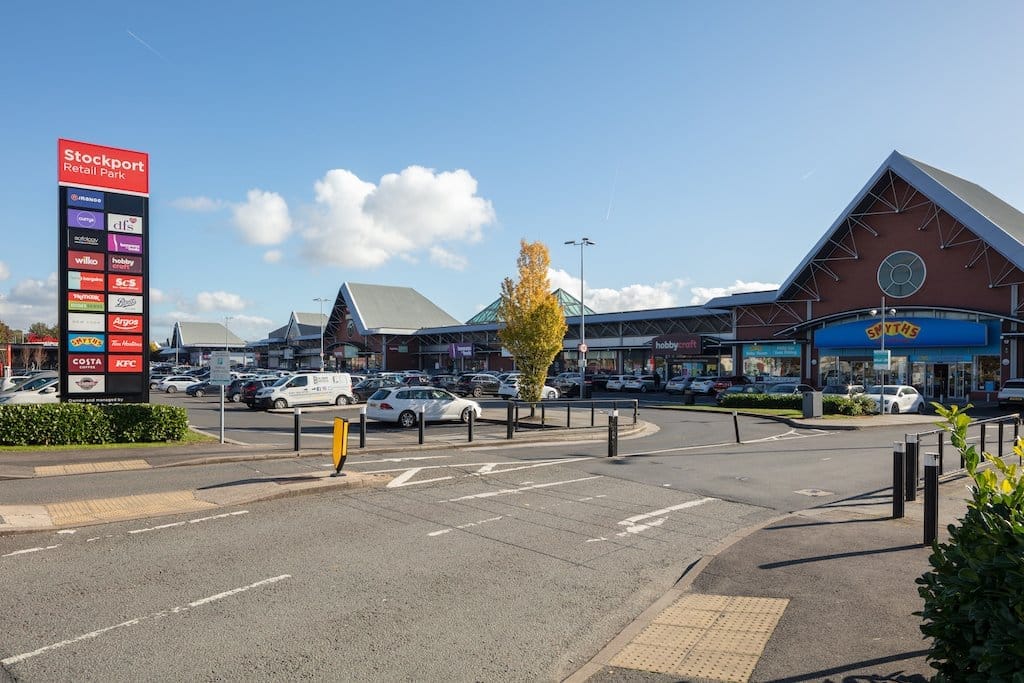
When well calibrated, this approach can ease pressure on public budgets or service charges, enable reinvestment, and strengthen both commercial and community resilience as illustrated with our work at the Peel Centre, Stockport.
The results speak for themselves.
A rebranded, reputation-recovered retail destination delivering:
In conclusion, parking is emerging as a subtle but powerful driver of estate management and place-making. Once a back-of-house function, it now directly shapes reputation, economic health, and user experience.
Those who stay ahead, whether land agents, local authorities, or parish councils, will treat parking not as an obligation, but as a contributor to value creation. Used well, it enhances occupier and resident experience, strengthens identity and trust, and supports clearer, more cohesive estate stewardship.
Parking has evolved far beyond basic functionality. It now offers a rare opportunity to protect reputation, build community confidence, and create commercially resilient, future-ready places – becoming not just a service, but a meaningful differentiator.
Do you have a location that you are considering for some ethical car park management? Our team would love to talk to you about how Ocean Parking can help you leverage excellent passive income without the need to get involved with any negative press.